
Quick Summary
- Autism diagnosis in Iowa starts with a screening. Not a formal test.
- Gracious Growth ABA walks you through every step of evaluation.
- Early autism diagnosis in Iowa means earlier support for your child.

Your child doesn’t look up when you call their name. Or they line up their cars instead of playing with them. Maybe a small change in plans derails the whole afternoon. Sound familiar?
If you’ve been searching where to get autism diagnosed in Iowa, you’re probably running on a mix of worry and hope right now. That’s normal. You’re not overreacting. In our experience, you’re also not the only parent asking this question.
At Gracious Growth ABA, we guide families through screening and diagnosis with clarity. We walk beside you through the whole autism diagnosis process in Iowa, step by step.
What to Look for in Your Child
Autism looks different in every kid. There’s no single sign that tells the whole story; it’s the pattern that matters. Catching things early, through a child autism assessment in Iowa, tends to open doors sooner rather than later.
Here’s what parents usually notice first:
- Social Interaction: Limited eye contact. Not responding when their name gets called. A strong pull toward playing alone.
- Communication: Fewer gestures, speech that’s coming in slowly, a small handful of words, or words that seem to disappear over time.
- Routine and Rigidity: Meltdowns over small schedule changes. Fixations on one object or topic that won’t let go.
- Repetitive Behaviors: Repeating sounds, hand flapping, rocking, spinning objects again and again.
Notice a few of these? A pediatric autism screening in Iowa is worth looking into. It costs you nothing to ask.

Autism Screening: The First Step to Clarity
Here’s something that surprises a lot of parents. A screening isn’t a diagnosis. It’s low pressure, and it’s simple. Think of it less like a test and more like a conversation that’s going somewhere.
Our screening process usually looks like this:
- A short questionnaire about your child’s development, communication, and behavior
- A conversation with our care team about what you’ve been noticing at home
- Watching your child play or interact naturally
- Going over developmental history and whatever concerns you’ve raised
- Guidance on the next move, whether that’s watching and waiting, a full evaluation, or starting services right away
Most of the time our team can walk a family through screening in one visit, or even virtually. You don’t need a referral to get started. We take most insurance plans too, Medicaid included, across every state we serve. Iowa is one of them.
Screening Tools We May Use
Some families run into a tool called the CAST, short for Childhood Autism Spectrum Test, somewhere along the way. Researchers at the University of Cambridge built it for kids between four and eleven.
The ADOS-2: What It Is and Why It Matters
The ADOS-2 stands for Autism Diagnostic Observation Schedule, Second Edition. Long name, but it’s one of the most trusted tools out there for autism evaluation steps in Iowa.
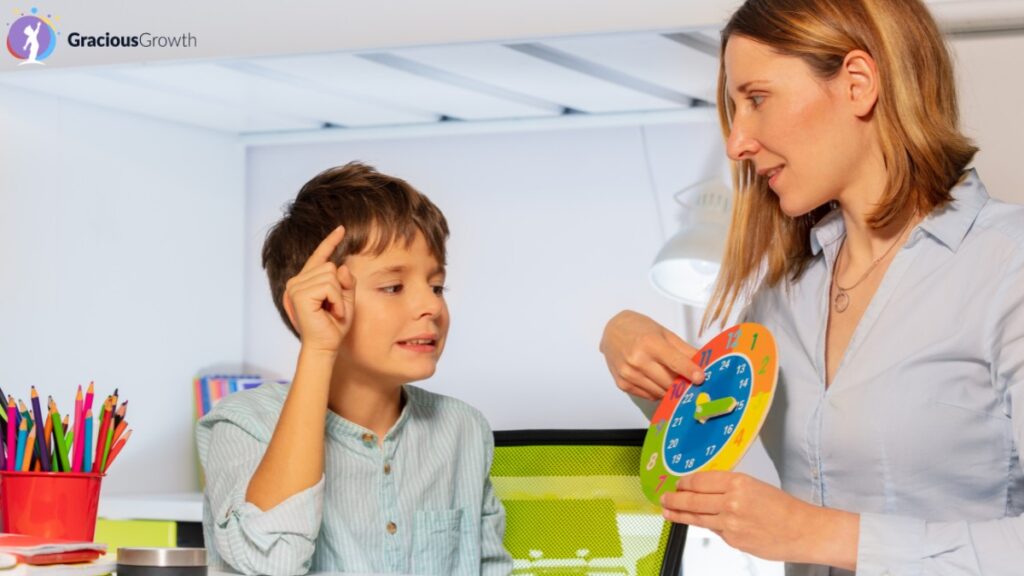
A trained clinician sits with your child through structured activities built to bring out the behaviors that matter most: communication, social interaction, play, imagination.
The ADOS-2 doesn’t grade your child. There’s no pass or fail outcome. The clinician watches, listens, and pays attention to how your child plays, talks, and connects.
What to Expect During a Full Evaluation
So what happens during an autism assessment in Iowa? Here’s roughly how it goes with our team.
First comes structured play and observation. We meet every family with patience and respect, because trust has to come before anything else works.
Then a parent and caregiver interview. One of our Board Certified Behavior Analysts, or BCBAs, comes to your home at a time that works for you. They’ll ask about your child and listen to your concerns.
After that, a comprehensive report. We lean on research-backed methods and steady data collection, so the picture we build stays accurate and useful, not rushed.
Last comes ABA therapy, once your family feels ready for it. Parents matter here just as much as clinicians do. We lean into collaboration and parent training so support doesn’t stop when the evaluation ends.

From First Concern to First Session
Reaching out can feel like the hardest part. Here’s what usually happens next.
- Step 1: You reach out. Call us, fill out a form, or just send a message. No referral needed. We listen first and help you figure out where to go from there.
- Step 2: You complete a short screening. Most families do this virtually or in one visit. We’ll walk you through what the results mean for your family.
- Step 3: You move into a full evaluation if the screening points that way. We connect you with the right specialists and stay with you through every step.
- Step 4: Your child starts ABA therapy once a diagnosis is in hand. From there, we build skills around communication, daily living, and connecting with others.
We Guide Families Across 5 States
Gracious Growth ABA supports families through autism evaluation and ABA therapy in Iowa, Utah, Colorado, North Carolina, and New Mexico. The state on your address doesn’t change how we work. We listen first, guide you through screening, and stick around through diagnosis and whatever comes after.
Not every family starts at the same point either. Some show up with a note from their pediatrician already in hand. Others just have a feeling that something’s different about how their child plays or talks or connects with people. Both are good enough reasons to reach out. We meet you wherever you’re starting from.

Frequently Asked Questions
1. Where do I even start if I think my child has autism?
Reach out for a brief screening first. No referral needed. We’ll help you sort out the right next step from there.
2. What’s the difference between screening and a full evaluation?
Screening tells you whether a full evaluation makes sense. The full evaluation, often built around the ADOS-2, is what leads to a formal diagnosis.
3. How long does the autism diagnosis process in Iowa usually take?
It depends on your family’s schedule and how quickly specialists have openings, but our team keeps things moving to keep the process efficient.
4. Does my child need a doctor’s referral to get screened?
No referral is needed to start an autism screening with us.
5. What happens once my child gets a diagnosis?
We can start personalized, in-home ABA therapy built around exactly what your child needs.

Start Your Child’s Autism Evaluation With Gracious Growth ABA
You know your kid better than anyone else does. If something feels off, that’s reason enough to ask questions. Early autism diagnosis in Iowa gives your child a genuine head start, and you shouldn’t have to figure any of this out on your own.
Reach out to our team today. Call (844) 408-3757 or email [email protected]. Take a look at our autism assessment and evaluation page, check out our parent resource center for more guidance, or send us a message through our contact page. It starts with one conversation. We’re ready whenever you are.