
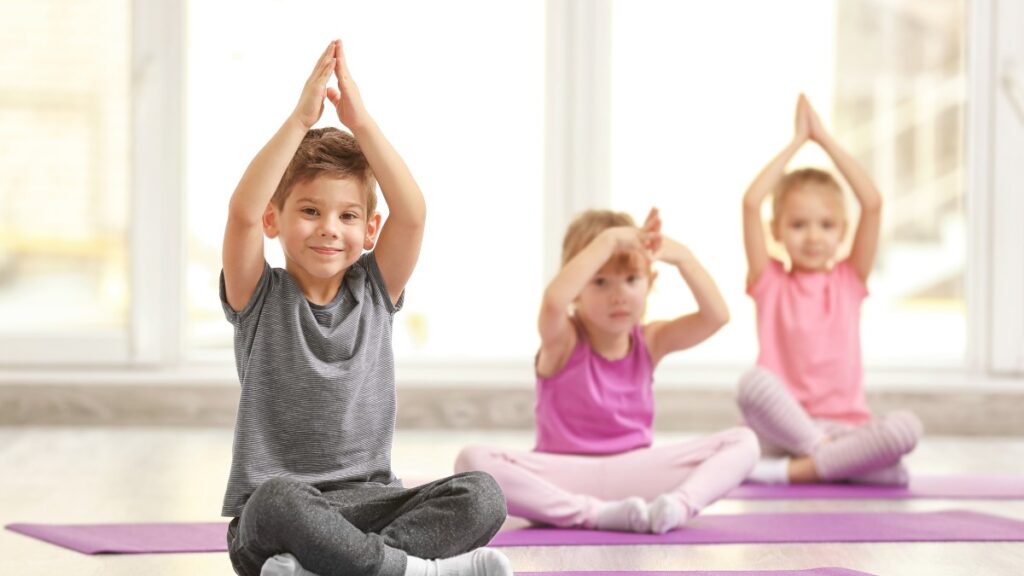
Yoga is more than just physical exercise; for individuals with autism spectrum disorder (ASD), it can be a powerful tool to support regulation, focus, and sensory processing. Children and adults on the spectrum often experience sensory sensitivities—either hypo- or hypersensitive to stimuli like sounds, textures, or movement. Tailored yoga practices can help soothe the nervous system, build body awareness, and promote emotional resilience.
In this article, we’ll go beyond just listing yoga poses—we’ll explore how yoga supports autism, what types of practices work best for sensory needs, how to adapt to the environment, and which poses are especially calming. Whether you’re a parent, therapist, educator, or individual with ASD, this guide offers practical strategies and insight to integrate yoga meaningfully.
8 Benefits of Yoga for Children with Autism
Engaging in yoga poses can significantly impact children with autism. The practice can improve essential skills and overall well-being, including:
- Motor Skills: Enhances coordination and movement.
- Confidence: Boosts self-esteem through achievement and mastery of poses.
- Social Skills: Encourages interaction and communication with peers.
- Sensory Regulation: Helps in processing sensory information more effectively.
- Communication: Improves the connection between parents and child.
- Emotional Regulation: Aids in managing and expressing emotions.
- Order and Regularity: Establishes routines that offer a sense of security.
- Anxiety Reduction: Promotes calmness and relaxation.
Types of Yoga Best Suited for Autism
When considering yoga for individuals with autism, it’s important to recognize that not every style will meet their sensory or emotional needs. Many people on the spectrum experience heightened sensory sensitivities or difficulties with motor planning, which means that fast-paced, complicated, or highly stimulating yoga practices can sometimes increase anxiety or sensory overload rather than reduce it.
Why Gentle and Structured Yoga Works Best
Gentle, slow, and predictable yoga styles create a safe environment for sensory exploration without overwhelming the nervous system. Structured sequences with clear, simple instructions help individuals with autism feel grounded and supported. These styles also emphasize breath awareness and body connection, which are critical for improving self-regulation.
5 Recommended Yoga Styles
Here are five yoga styles especially suited for individuals with autism and sensory sensitivities, each offering unique benefits from gentle movement and deep relaxation to mindful stretching and adaptable practices. This guide highlights options that promote body awareness, calm, and accessibility while considering varying needs and comfort levels.
- Hatha Yoga: This is one of the most accessible styles for beginners and individuals with sensory sensitivities. Hatha yoga focuses on holding basic poses, slow transitions, and synchronized breathing. The deliberate pace allows participants to tune into their bodies, notice sensations, and adjust movements as needed. It builds strength and flexibility gradually without overstimulation.
- Restorative Yoga: Restorative yoga uses props like blocks, blankets, and bolsters to support the body in passive, long-held poses. These postures encourage deep relaxation, helping to calm the nervous system through sustained gentle pressure. For individuals with autism, especially those prone to anxiety or sensory defensiveness, restorative yoga can be profoundly grounding and soothing.
- Yin Yoga: Yin yoga targets the deep connective tissues with slow, sustained stretches typically held for several minutes. It requires minimal muscular effort, which is ideal for those who might have low muscle tone or coordination challenges. This style encourages mindfulness and patience, supporting sensory integration by offering gentle proprioceptive input.
- Chair Yoga: This style is an excellent option for individuals with limited mobility, balance issues, or those who feel more secure sitting rather than standing. Chair yoga adapts traditional poses into seated or supported versions, making yoga accessible to all ability levels. It also provides a stable base, which can reduce sensory overload and increase confidence.
- Kundalini Yoga (With Caution): Kundalini incorporates breathwork, chanting, and dynamic movements designed to awaken energy. While it offers powerful tools for emotional regulation and self-awareness, it may be too intense or overwhelming for some with sensory sensitivities unless led by a highly experienced instructor who understands autism. For those who respond well, it can enhance focus and calm through structured breath and sound.
Each person with autism is unique, so adapting these yoga styles to individual sensory preferences is essential. For instance, some may thrive with a bit of gentle music or nature sounds, while others prefer quiet. Allowing flexibility in timing, pose selection, and environmental factors is key to creating a positive experience. Similarly, incorporating activities like swimming can also support sensory integration by providing soothing water sensations and rhythmic movement tailored to each individual’s needs. For more insights on this approach, check out our article The Role of Swimming for Autism in Sensory Integration.
Best Yoga Poses for Sensory Integration
Certain yoga poses are especially effective in supporting sensory integration and helping individuals with autism self-regulate. These poses typically provide deep pressure, proprioceptive input (awareness of body position), or vestibular stimulation (balance and spatial orientation), all of which can soothe sensory overload or provide needed stimulation.
7 Effective Yoga Poses for Sensory Needs
Here are seven yoga poses thoughtfully chosen to support sensory needs. Each pose offers unique benefits, from calming the nervous system and providing deep pressure to improving body awareness and balance. These gentle movements and positions can help regulate sensory input and promote relaxation.
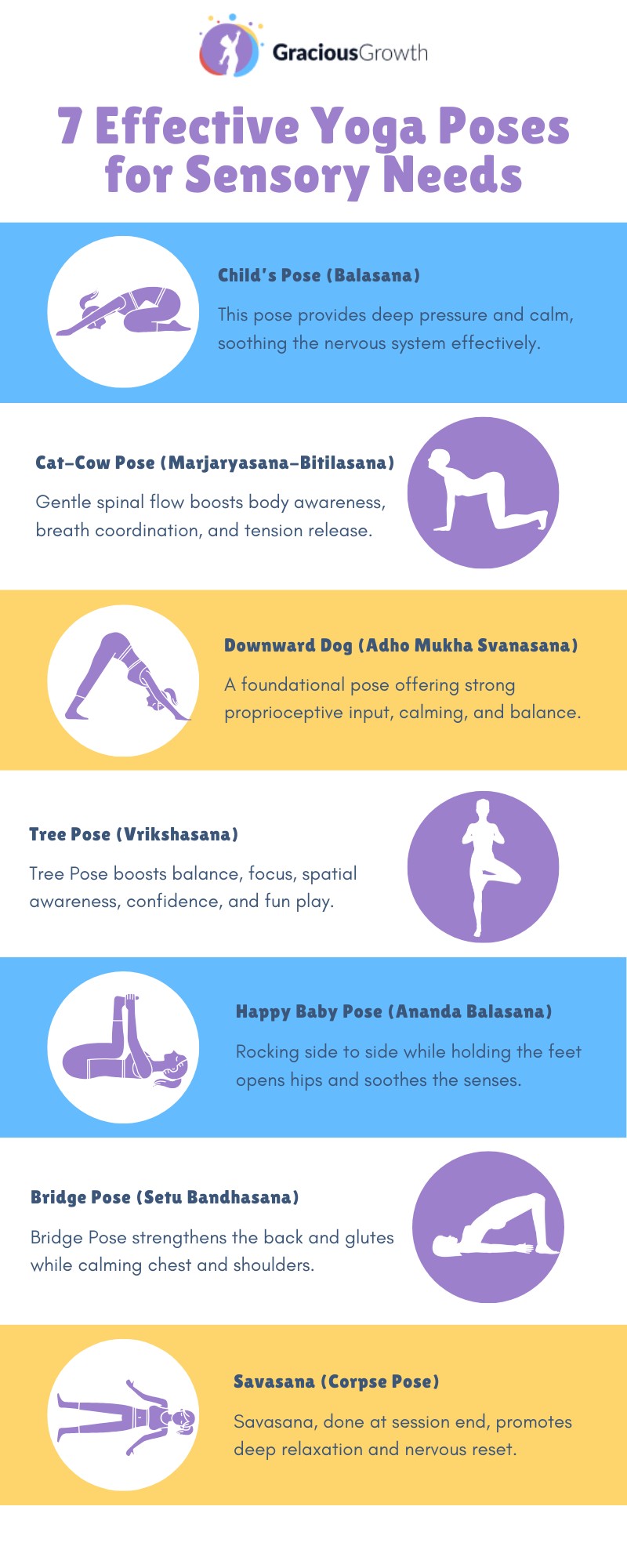
Some individuals may need modifications such as using blocks, straps, or cushions to feel secure. Introducing each pose slowly and allowing participants to opt out or switch to a more comfortable version is crucial to maintaining engagement and avoiding sensory overload.
Tips for Teaching Yoga to Individuals with Autism
Teaching yoga to individuals on the autism spectrum requires more than just knowing the poses—it demands patience, flexibility, and a deep understanding of sensory and communication differences.
6 Best Practices for Teaching Yoga to Those with Autism
Here are six effective strategies to enhance yoga teaching for individuals with autism, focusing on clarity, engagement, and support to create a positive and adaptable experience.
- Keep Instructions Clear and Visual: Verbal directions may be difficult for some individuals to process, so supplement with visual aids like picture cards or step-by-step video demonstrations. Visual schedules that outline the sequence help set expectations and reduce anxiety.
- Use Routines and Repetition: Many people with autism find comfort in routine. Repeating the same sequence or poses in a predictable order can build familiarity and reduce resistance. Over time, they may even look forward to the practice as a safe, consistent activity.
- Incorporate Personal Interests: Tailoring yoga to the individual’s interests makes sessions more engaging. For example, if a child loves animals, use poses like Cat-Cow, Downward Dog, or Frog Pose and tell stories or play games related to those animals.
- Allow Movement Breaks: Sensory needs can fluctuate, so giving participants permission to move around or take breaks empowers self-regulation. Some may need to jump, spin, or use a sensory toy briefly before returning to yoga.
- Offer Choices and Autonomy: Providing options (e.g., “Would you like to do Tree Pose or Warrior Pose next?”) helps build a sense of control and cooperation, which can reduce power struggles and increase motivation.
- Engage Caregivers or Therapists: Involving familiar adults who understand the individual’s needs can improve consistency and reinforce skills learned during yoga sessions across home, school, or therapy environments.
Incorporating Yoga into Daily Routines
Consistency and predictability are key elements in making yoga an effective tool for individuals with autism. Yoga doesn’t have to be reserved for formal classes or long sessions—it can be broken down into short, manageable segments integrated seamlessly into daily life.
5 Simple Ways to Add Yoga Into Everyday Life
Here are some practical ways to easily incorporate yoga into daily routines, offering moments of calm, focus, and balance throughout the day.
- Morning Wake-Up: Starting the day with gentle poses like Cat-Cow or a few Sun Salutations can help wake up the body and mind, setting a calm and focused tone for the day.
- After School or Work: Transitioning from a high-energy environment to home can be challenging. Poses like Child’s Pose combined with calming breathwork help smooth this transition by signaling it’s time to relax and recharge.
- Before Bed: Using Restorative poses such as Legs-Up-The-Wall or supported Bridge Pose helps unwind physical tension and prepare the nervous system for restful sleep.
- During Meltdowns or Overwhelm: Having a quick “toolkit” of yoga breaths or grounding poses (like Savasana or Happy Baby) can help manage sensory overload or emotional dysregulation.
- In Therapy Sessions: Short yoga breaks can provide sensory regulation and focus during transitions, helping individuals engage more effectively in learning or therapeutic tasks.
Even dedicating just 5 to 10 minutes a day to yoga can build a foundation of self-awareness, calm, and sensory regulation that positively impacts behavior, mood, and overall well being.
Yoga is not a one-size-fits-all solution, but for many individuals with autism, it offers a gentle, empowering way to meet sensory and emotional needs. With careful selection of poses, breathing techniques, and environment, yoga can be adapted to suit any age or ability level.
By focusing on calm, routine, and sensory alignment, caregivers and professionals can use yoga to create a powerful bridge between body and mind. Whether used alone or alongside other therapies, yoga’s potential to bring peace and balance is well worth exploring.
Explore How We Can Support Your Journey
Discover how our team can help tailor yoga and sensory strategies to meet your unique needs. We focus on blending effective techniques with compassionate care, ensuring every individual feels comfortable and empowered. Our experienced professionals at Gracious Growth deliver personalized autism therapy in NC, Iowa, Colorado, and Utah, combining ABA therapy with holistic approaches to promote growth and well-being.
We’re dedicated to providing high-quality services that truly make a difference. Reach out today to learn how we can partner with you in fostering progress and enhancing daily life through thoughtful, evidence-based methods. Connect with us to begin this rewarding journey together.
Sources: