
Understanding body language is second nature to many people. We raise our eyebrows when we’re surprised, lean in when we’re interested, and smile to show we’re happy. Without saying a single word, our bodies speak volumes.
For many autistic individuals, however, this unspoken language isn’t always intuitive or easy to interpret. Sometimes, it’s just not a language they naturally use. The relationship between body language and autism is complex, often misunderstood, and deeply intertwined with the social communication differences that define the autistic experience.
The Role of Body Language in Social Communication
Body language includes all the non-verbal signals we use to communicate: facial expressions, gestures, posture, eye contact, and even the tone and pitch of our voice.
These cues often provide more information than spoken words themselves. For neurotypical individuals, this system of communication is largely subconscious. They pick up on it, process it, and respond to it without even realizing it.
In contrast, autistic individuals may struggle with reading these non-verbal cues. For them, decoding facial expressions or interpreting the tone of a voice can require conscious effort.
And when you add the pressure of trying to respond in the expected way, social interaction can become overwhelming.
Imagine being in a foreign country where you don’t speak the language. People are gesturing, changing their tone, and using facial expressions that you don’t fully understand.
You might misinterpret their intentions or miss important cues altogether. That’s what body language can feel like for many autistic people.
Some autistic individuals report that facial expressions are confusing or ambiguous. A smile might not always signal happiness; it could be sarcasm, nervousness, or politeness.
Without context or clarification, it’s difficult to know for sure. This can lead to misunderstandings, especially in fast-paced social situations where there’s little time to ask for clarification.
Others find it hard to make sense of eye contact.
While neurotypical people often view eye contact as a sign of attentiveness and honesty, autistic individuals may find it uncomfortable, invasive, or even painful. They might look away during conversations, not out of disinterest, but to concentrate better on what’s being said.
Unfortunately, this behavior is often misread as rudeness or a lack of engagement.
Posture and gestures present another challenge. Neurotypical individuals instinctively use gestures like nodding, shrugging, or waving to complement their speech. Autistic individuals might use fewer gestures, or their gestures may appear atypical.
For example, they may flap their hands when excited or rock back and forth when anxious. These self-regulatory movements, often referred to as “stimming,” are sometimes misunderstood as odd or inappropriate when in reality, they serve a crucial purpose in helping the person regulate sensory input or emotions.
The Social Impact of Body Language Differences
Since so much of our social world is built on non-verbal communication, differences in body language can create significant social barriers for autistic individuals. They may be misjudged as aloof, disinterested, or socially awkward.
In schools, this can result in children being overlooked by teachers or excluded by peers.

Social fatigue is another important factor. For many autistic people, trying to “mask” or hide their natural behaviors to fit in socially is draining.
They might force themselves to make eye contact, smile at the right moments, or mirror others’ body language. This constant effort to perform in socially acceptable ways can lead to burnout and a sense of disconnection.
The way body language presents in autistic individuals can change over time. Young autistic children might not use gestures like pointing or waving in the same way as their peers. They may also have difficulty understanding the expressions and gestures of others, which can affect early bonding and play.
As they grow older, some autistic individuals become more adept at reading and using body language, especially if they’ve had access to supportive interventions or therapy.
Social skills training, speech therapy, and behavioral interventions can all help in teaching non-verbal communication strategies.
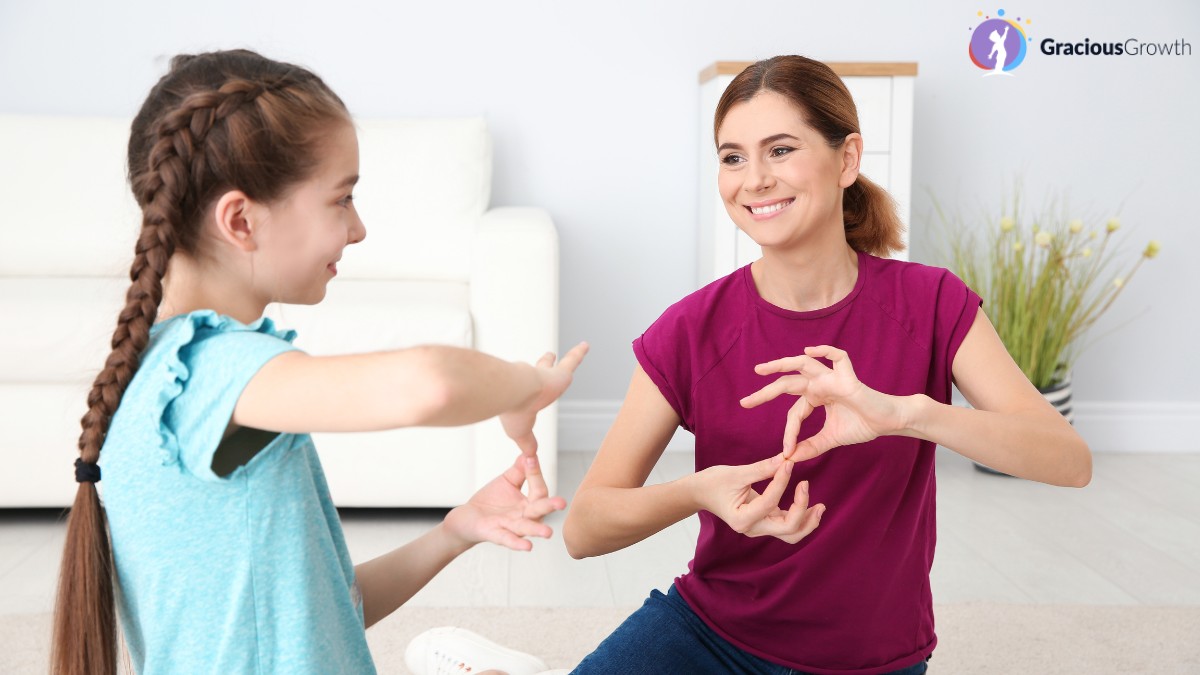
However, it’s important to note that not all autistic people want or need to change their natural communication style.
For some, learning body language is about navigating a world that doesn’t always accommodate neurodiversity. Many autistic adults advocate for a broader understanding and acceptance of different ways of expressing and interpreting body language, rather than pressuring individuals to conform to neurotypical norms—a perspective that ties closely to how working memory functions in autism, which we explore in depth in How Does Working Memory in Autism Work?
Conclusion
At its core, the relationship between body language and autism reveals a deeper truth about human connection: there is no single “right” way to communicate. For autistic individuals, body language might be less intuitive, but that doesn’t make their communication less valid or meaningful.
What’s needed is a shift in how society approaches these differences.
Rather than trying to mold autistic people into fitting an existing communication mold, we can broaden our understanding of what communication looks like. At Gracious Growth, we celebrate and support every child’s unique way of connecting with the world through high-quality, compassionate ABA services. We offer personalized autism therapy in NC, Iowa, Colorado, and Utah, where our experienced team works closely with families to create meaningful, goal-driven plans that promote real progress.
If you’re looking for therapy that truly meets your child where they are, reach out to us today. Contact us to learn how we can partner with you on your journey toward growth and connection.
Sources: