Brushing Therapy for Autism: Before You Try It, Read This

Brushing therapy, often referred to as the Wilbarger Protocol, is an intervention designed to help individuals with sensory issues, particularly those with autism. This technique involves the use of a specialized sensory brush to stimulate the skin and provide sensory feedback to the nervous system. In essence, brushing therapy utilizes a small surgical brush, resembling […]
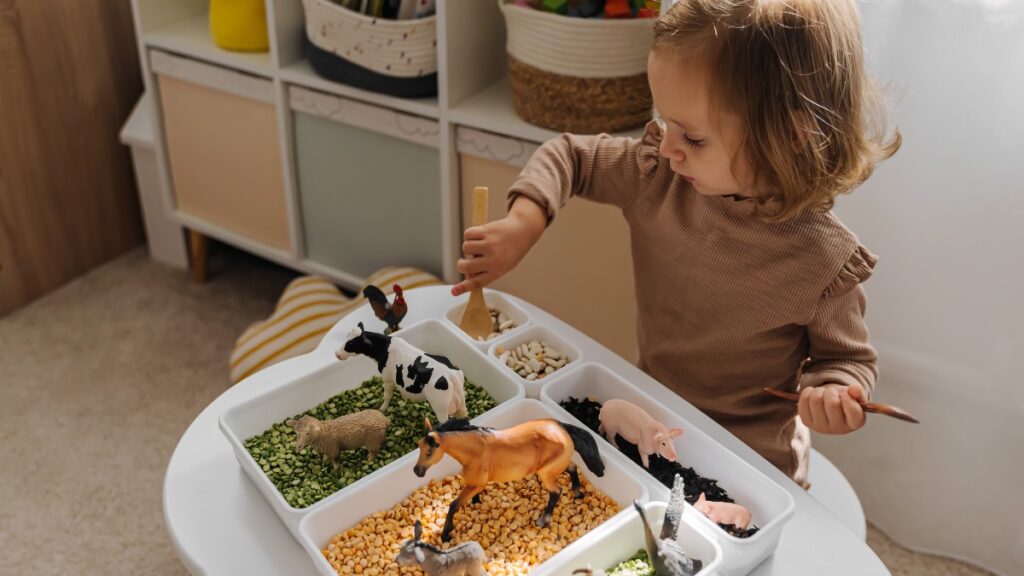
The Ultimate Guide to Sensory Bins for Autistic Toddlers’ Growth

For many toddlers, play is more than just fun. It is a pathway to learning, discovery, and emotional growth. For autistic toddlers, play that involves touch, sound, and movement can be especially helpful. One tool that stands out in supporting their development is the sensory bin. These bins, filled with various materials such as rice, […]

Why Eye Contact Avoidance in Autism Happens

Eye contact can feel overwhelming, uncomfortable, or even threatening for many autistic individuals. Rather than being a sign of disinterest or defiance, avoiding eye contact is often a natural response to sensory overload, social anxiety, or difficulties with nonverbal communication. Understanding why this happens is key to creating more compassionate and supportive environments for those […]
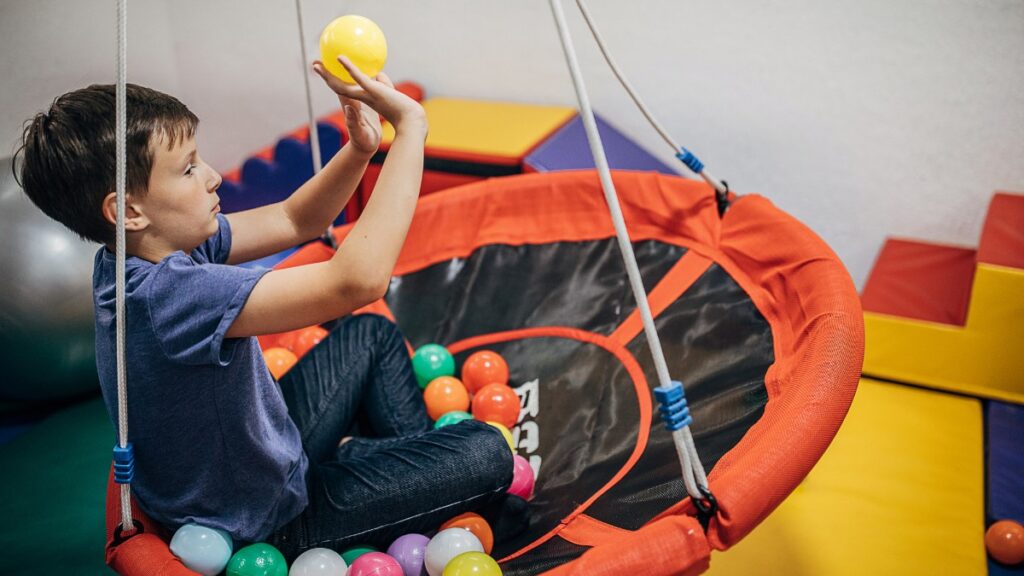
How Beneficial are Sensory Swings for Autism

Sensory swings are specially designed tools that provide controlled sensory input, which can be particularly beneficial for individuals experiencing sensory processing challenges, including those with autism. They create an environment that fosters relaxation, engagement, and physical activity. Swinging offers multiple benefits by simulating a soothing motion that can significantly impact the sensory experiences of individuals. […]

Are Oral Sensitivities in Autism Common Among Autistic Individuals?

When we talk about autism, we often focus on areas like social communication, repetitive behaviors, or sensory processing in general. But among the many layers of sensory experiences that autistic individuals navigate daily, oral sensitivities often go unmentioned. Yet, these sensitivities can have a major impact on daily life, from eating and dental hygiene to […]

What are Sensory Seeking Behaviors in Autism?

Sensory processing refers to how the brain receives, interprets, and responds to sensory information from the environment. In individuals with autism, sensory processing can be atypical, leading to challenges in how they manage sensory stimuli. These challenges can manifest as either sensory seeking or sensory avoiding behaviors. Many individuals with autism experience heightened sensitivity to […]

Hyposensitivity in Autism: An Overview

Research indicates that approximately 90% of individuals with autism experience atypical sensory experiences. These experiences often manifest as hyper-reactivity or hypo-reactivity to sensory input. Sensory processing difficulties, such as sensory processing disorder, are distinct conditions but frequently coexist with autism. It is noteworthy that sensory issues can vary significantly among individuals on the autism spectrum. […]

What You Should Know about Autism and Muscle Tone Problems

Muscle tone refers to the amount of tension or resistance in muscles while at rest, which can be categorized as either high or low. Roughly half of children with autism exhibit low muscle tone, also known as hypotonia. The specific reasons behind this correlation remain unclear, but significant links between these two diagnoses have been […]

7 Autism and Sensory Overload Tips Parents and Caregivers Should Know

If you’re parenting or caring for an autistic child, chances are you’ve encountered moments when everything seems too much for them. It could be when the lights are too bright, the sounds too loud, the clothes too itchy, or the crowd too overwhelming. These moments often point to something called sensory overload. It’s not always […]
A Guide to Common Sensory Issues in Autism

Explore common sensory issues in autism and effective strategies to manage sensory sensitivities for improved well-being.